10 August 2012

CSR_12 (July 30th - August 5th)


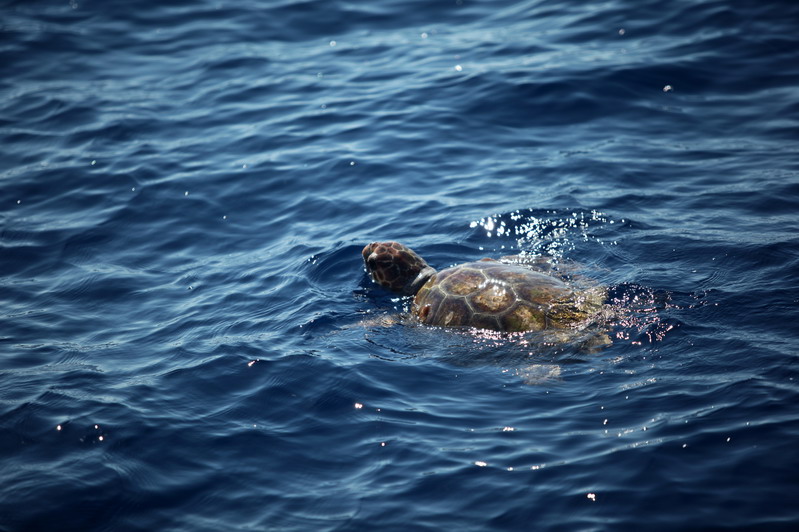
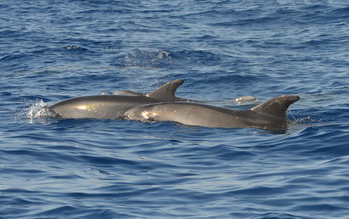
This week we were lucky to have 29 sightings in total, one of the highest totals of the season. Not only did we see many of the three most common Mediterranean species, sperm whales, fin whales and striped dolphins, but we also encountered three pods of bottlenose dolphins with their newborn calves. We even shared our sea bath with a sperm whale, listening to him click below us, and ate our dinner surrounded by six fin whales. Along with all of the cetacean sightings we also saw several loggerhead turtles and one sting-ray. The sea this week was very calm so we were able to sail to the island of Corsica where the participants and researchers enjoyed a restaurant dinner and a tour of the old castle of Calvi. After two nights there we returned to Sanremo, which involved drifting through the night, during which time we took turns to look out for ships nearby.

Elisa, Anna, Elsa and Giulia


Following link is for participants of this week's expedition, showing the ship's route, pictures of some of the sightings and of some moments of the cruise which were memorable (or even not so...)


Ai partecipanti al turno è dedicato uno spazio con il percorso effettuato durante la settimana, le foto di alcuni avvistamenti e qualche immagine dei  momenti da ricordare - importanti e non. 

Rio+20:some hope for the seas. Rio+20: qualche speranza per i mari

Some governments and NGOs were disappointed by the Rio+20 sustainable development conference which recently took place, but there may be at least some good news for the oceans.
Read the article by Susan Lieberman, director of Pew Environment Group.

Se la conferenza sulla sviluppo sostenibile Rio+20 è stata deludente, a detta di vari governi e NGO, qualche buona notizia c'è, perlomeno per gli oceani, secondo Susan Lieberman, direttore del Pew Environment Group.
Leggi l'articolo (in inglese)

09 August 2012

CSR_11 (23-29/07/2012)


Due to storms over the weekend the sea conditions at the beginning of this week prevented us from going out to sea on our first day. However, the participants and the crew enjoyed the day in Montecarlo visiting the famous oceanographic museum as well as the historical part of the town. The weather then picked up so we were able to go out to sea for the rest of the week. We had a few days of perfect sighting conditions and during this time we were fortunate enough to see a large pod of striped dolphins with two newborn calves, as well as an incredibly rare encounter with a young sperm whale who just couldn’t resist to take a closer look at the boat. During the week we spent two nights at the Lerins Islands and enjoyed a serene walk around the monastery which is still inhabited by monks.


Elisa, Brandon, Elsa and Anna


Following link is for participants of this week's expedition, showing the ship's route, pictures of some of the sightings and of some moments of the cruise which were memorable (or even not so...)

Ai partecipanti al turno è dedicato uno spazio con il percorso effettuato durante la settimana, le foto di alcuni avvistamenti e qualche immagine dei  momenti da ricordare - importanti e non. 

02 August 2012

Mediterranean fin whales probably overestimated - Forse sovrastimato il numero delle balenottere del Mediterraneo

The number of fin whales (Balaenoptera physalus) in the Mediterranean may have been overestimated by including specimens from the Atlantic that only visit, at certain times. According to a new study, published in Marine Mammal Science, the estimated 3500 mediterranean individuals may be less on the basis of acoustic data, and the population probably presents a much more limited distribution than currently described. Moreover the noise generated by human activities affects their survival.
Read more
Read the scientific publication

Il numero delle balenottere comuni (Balaenoptera physalus) del Mediterraneo potrebbe essere stato sovrastimato, includendo gli individui che a volte entrano dallo stretto di Gibilterra, ma che appartengono alla popolazione atlantica. Secondo un nuovo studio, pubblicato sulla rivista Marine Mammal Science, i 3500 individui stimati dei nostri mari potrebbero in realtà essere meno, sulla base di dati acustici, e presentare una distribuzione più limitata di quanto si credesse. Inoltre il rumore generato dalle attività umane ne mette sempre più a repentaglio la sopravvivenza.
Leggi l'articolo (in inglese)
Leggi la pubblicazione scientifica (in inglese)

01 August 2012

CSR_10 (July, 16th-22nd)


Although the weather conditions forced the crew to spend a day in the harbor by the end of the week, the tenth cruise in the waters of the Pelagos Sanctuary had a great start. More than 500 km were sailed at sea searching for marine life in the coastal and deep waters of the Ligurian Sea. Eleven cetacean sightings were recorded including striped dolphins, fin whales and a loose aggregation of at least 5 “tricky” sub-adult sperm whales. In the latter case, the animals, which were, at first, engaging in feeding activity just a few nautical miles off the Iles of Lerins, close by to Cannes, started to gather together at the surface at sunset. Unfortunately the sun disappeared behind the mountains, taking the secrets of the sea well safe in the darkness of the night. 
With the words of Sidney Buchman “If there were no mystery left to explore, life would get rather dull, wouldn't it?” resonating in the chilly air of the evening, we headed towards the coast and dropped the anchor in the bay of Cannes. It doesn’t matter how many times one can see the majesty of whales, every new sighting is like the first one ever. That’s why we are now ready and looking forward again to going out at sea, waiting for it to reveal us its secrets.  

The Tethys CSR Team, Anna, Brandon, Elsa and Nino


Following link is for participants of this week's expedition, showing the ship's route, pictures of some of the sightings and of some moments of the cruise which were memorable (or even not so...).

Ai partecipanti al turno è dedicato un link con il percorso effettuato durante la settimana, le foto di alcuni avvistamenti e qualche immagine dei momenti da ricordare - importanti e non.

25 July 2012

CSR-10 (July, 16th-22nd)


For the participants of the last week's expedition, CSR_10, a link is showing the ship's route, pictures of some of the sightings and of some nice moments of the cruise.


20 July 2012

Predicting cetacean habitats - Predire gli habitat dei cetacei

Cetaceans are not randomly distributed in the sea; better knowing where and when to find some species, especially endangered ones, is the basis for their conservation. Tethys researchers have been collecting data for a very long timespan in the Mediterranean and just came out with a great publication on a scientific journal.


Abstract: Habitat use of seven different species of cetaceans inhabiting the Pelagos Sanctuary was studied using 18-year summer shipboard surveys data, in an area of approximately  25,000 km2. 2940 sightings were collected: 1996 striped dolphins, 626 fin whales, 120 Risso's  dolphins, 114 sperm whales, 27 common bottlenose dolphins, 25 long-finned pilot whales, 23 Cuvier's beaked  whales. Stepwise Logistic Regression Analysis was used to develop presence/absence predictive models.  Statistics of depth and slope were used as covariates. Significant correlations were outlined (P < 0.05)  supporting the hypothesis that physiographic factors may be employed as predictors of the species  presence. The temporal variability of the species habitat use was also analyzed, confirming the reliability  of the physiographic predictors. Temporal trends and variability in the species distribution were also  assessed through a GLM analysis. The understanding offered by this long-term study is essential for managing the conservation status of these wide-ranging species.


Azzellino A., Panigada S., Lanfredi C, Zanardelli M., Airoldi, S. and Notarbartolo di Sciara, G. 2012. Predictive Habitat Models For Managing Marine Areas: Spatial And Temporal Distribution Of Marine Mammals  Within The Pelagos  Sanctuary (Northwestern Mediterranean Sea). Ocean and Coastal Management 67:63-74.


Picture: first author, Arianna Azzellino, Tethys Research Institute


ITA: I cetacei non sono distribuiti casualmente nei mari, ma ogni specie ha determinate preferenze. Una miglior conoscenza dei loro habitat è la base per la loro conservazione. I ricercatori di Tethys hanno raccolto dati per un lungo periodo, in Mediterraneo, ed hanno appena pubblicato un importante lavoro su una prestigiosa rivista scientifica. 


Nella foto: il primo autore, Arianna Azzellino, Tethys Research Institute

19 July 2012

WhaleFest 2012


It has been called the world’s biggest celebration of wild whales and dolphins: after the success of WhaleFest 2011, this year’s event is being held at the Hilton Brighton Metropole, the very place where the world voted 30 years ago to stop hunting whales. This historic anniversary is an opportunity to inspire people about whales, dolphins and our oceans.The WhaleFest 2012 will take place near London, in Brighton, Saturday October 27th and Sunday 28th at the Hilton Brighton Metropole. It’s a global-scale event, say the organizers, packed with life-sized whales, virtual whale watch trips, fun family activities, celebrity speakers and more.  The ‘WhaleFest Fringe’ is a whole week (22-28 October 2012) of music, arts and cultural activities themed around whales and dolphins, backed by Visit Britain and Visit Brighton. There are also two pre-WhaleFest conferences open to everybody:

World Whale Conference (Thurs 25-Fri 26 Oct)
World Whale and Dolphin Watch Operators Conference (Thurs 25-Fri 26 Oct)


Il 27 e 28 ottobre prossimi si terrà a Brighton, vicino a Londra, il WhaleFest 2012, con diverse manifestazioni aperte al grande pubblico degli appassionati di cetacei. Sono previsti viaggi virtuali di whale watching, modelli di balene in dimensioni naturali,  attività per le famiglie, conferenze. Per tutta la settimana dal 22 al 28 ci saranno poi eventi di musica, arte e cultura ispirate al tema dei cetacei.
Due conferenze aperte al pubblico sono:
Conferenza mondiale sulle balene
Conferenza mondiale degli operatori di whale watching (25 e 26 ottobre)
Il festival si tiene presso il Hilton Brighton Metropole, ovvero proprio dove 30 anni fa il mondo votò per fermare la caccia ai grandi cetacei. 

Tethys su Radio 24

Sabato prossimo, il 21 luglio, alle 20.00, su Radio 24 verrà trasmessa l'intervista a Sabina Airoldi, di Tethys; si parlerà di Mediterraneo, di delfini e balene e di come e dove incontrarli nei nostri mari. Non perdetelo!!

18 July 2012

Rebuilding global fisheries - Ripensare la pesca mondiale


Rebuilding global fisheries would make them five times more valuable while improving ecology: a new study from the University of British Columbia says that by reducing the size of the global fishing fleet, eliminating harmful government subsidies, and putting in place effective management systems, global fisheries would be worth US$54bn each year, rather than losing US$13bn per year.
Read more
Ripensare l'industria della pesca a livello globale potrebbe aumentarne il valore di cinque volte e contemporaneamente portare benefici all'ambiente: un nuovo studio dell'Università della British Columbia sostiene che riducendo le dimensioni della flotta mondiale, eliminando gli incentivi governativi alle pratiche dannose e attuando sistemi di gestione efficaci, la pesca globale acquisterebbe un valore di 45 miliardi di dollari US all'anno anziché perderne 13.
Leggi l'articolo (in inglese)

16 July 2012

CSR_9 (July 9th- 15th 2012)


The eighth week in search of whales and dolphins in the waters of the Pelagos Sanctuary was characterized by vile weather and sea conditions. In fact, due to a persistent wind that at times reached 40 knots and swells that reached three meters in height, it has been possible to work at sea only for a day. 
Nevertheless, there have been two sightings, the first of a large group of striped dolphins and the other one of sperm whales. Nevertheless we feel optimistic for the future weeks; the storm will pass and we will certainly be more than ready for another busy week of work at sea
The fishermen know that the sea is dangerous and the storm terrible, but they have never found these dangers sufficient reason for remaining ashore” (Vincent van Gogh)

The CSR Researchers Team, Chiara, Elsa, Brandon and Nino


Following link is for participants of this week's expedition, showing the ship's route, pictures of some of the sightings and of some moments of the cruise which were memorable (or even not so...)


Ai partecipanti al turno è dedicato uno spazio con il percorso effettuato durante la settimana, le foto di alcuni avvistamenti e qualche immagine dei  momenti da ricordare - importanti e non. 

12 July 2012

Se una pinna di squalo vi insegue...

A Cape Cod, negli Stati Uniti, lo sgomento bagnante in kajak qui sopra si è ritrovato con una pinna di squalo alle calcagna - un po' come capita a Paperino nel fumetto di Walt Disney. Come sempre la notizia ha suscitato grande clamore tra i media. Forrest Wickman di "Slate" ha voluto approfondire la questione, con l'aiuto di un esperto del comportamento degli squali.
E' vero, gli ha risposto il biologo Carl Meyer, che a volte gli squali nuotano a pelo dell'acqua come nei fumetti, ma lo fanno perlopiù per investigare gli oggetti galleggianti (uomo in kajak compreso). Ma quando (e se) decidono di attaccare non lo fanno dalla superficie, ma sorprendono la preda dal basso.
Quindi, se vedete una pinna, non preoccupatevi più di tanto. Per inciso, quella a Cape Cod pare fosse comunque di un innocuo cetorino, un grosso squalo filtratore. M.J.

Leggi l'articolo di  (in inglese)

Non tirate la manta per la coda

Un'estate, questa, all'insegna di avvistamenti inconsueti, registra anche una manta tra il porto di Savona e Arenzano, di cui si è parlato sui giornali proprio in questi giorni. Succede a poco tempo di distanza da un incontro simile a Bastia, in Corsica, che avevamo segnalato da poco. Anche questa volta la presenza dell'inconsueto, grosso, pesce ha subito suscitato grande clamore e il diffondersi delle voci più contrastanti. Vediamo dunque di fare chiarezza su alcuni punti - peraltro gli stessi che riguardano spesso anche i cetacei.
Innanzitutto sono assolutamente infondati gli "allarmi-squalo": anche se mante sono effettivamente loro "parenti", si tratta di innocui filtratori, che non si sognerebbero di mangiare nulla di più grosso di un'acciuga. Per la precisione, quelle del Mediterraneo sono mobule (Mobula mobular, la versione nostrana della più nota Manta birostris).
Ma che ci fa questa specie d'alto mare in un  porto, o comunque sottocosta? Risponde Giuseppe Notarbartolo, Presidente di Tethys, che di mobulidi si è occupato a lungo: "Questi pesci sono perfettamente a loro agio e in grado di manovrare in acque costiere anche basse. Pertanto non mi meraviglia che le mobule possano trattenersi nei pressi della costa, magari in cerca di banchi di piccoli pesci di cui alimentarsi."
Si tratta di una specie che fino ad ora veniva avvistata relativamente di rado nei nostri mari. Difficile, per ora, dire se questi due avvistamenti siano significativi di una tendenza all'aumento. "Recenti survey aerei nel Santuario Pelagos, dice ancora Notarbartolo, hanno rivelato la presenza di numerose mobule nella zona, per cui non è così strano che ogni tanto qualcuna venga vicino a costa. Può anche darsi che la riduzione della pesca con le spadare e l'aumento della temperatura stiano dando degli effetti".
Purtroppo, accanto alle reazioni estreme (da "allarme squalo" a "beniamina delle spiagge"), c'è sempre chi vorrebbe subito intervenire per "salvare" l'animale "in difficoltà". E' così che anche delfini, e perfino balene, vengono a volte agganciate per la coda (o in altre rocambolesche quanto devastanti maniere) e trascinati loro malgrado al largo - un intervento che può causare gravi danni e sofferenze al malcapitato soggetto, senza contare l'altrettanto inutile dispendio di energie. E se poi l'animale in realtà non è né malato né moribondo, si rischia ugualmente di ferirlo o addirittura ucciderlo.
Altrettanto rischioso sarebbe un intervento sulla manta;  si è lanciato l'allarme perché sembrava avesse delle ferite quando era comparsa a Savona (vedi foto in basso), ferite che però a distanza di un paio di settimane appaiono regredite, come riferiscono gli esperti dell'Acquario di Genova.
"Certo la sua presenza in un posto trafficato come un porto industriale desta preoccupazione, perché la mobula può essere disturbata o, peggio, urtata da scafi o eliche", precisa ancora Notarbartolo. Speriamo trovi presto la strada del largo da sola.                                                         Maddalena Jahoda
immagine in alto da www.saturatore.it
foto qui sotto di Laura Castellano/Acquario di Genova


11 July 2012

CSR_8 (July 2nd - 8th) 2012


Imagine for a moment to be on a boat in the middle of the sea, no land around you, the stars over your head and only the sound of water. Suddenly a blow and a dark shape on the surface of the sea catch your attention. It is about 4.30 in the morning and you may think it's definitely time to go to sleep! Then again the breath and the same shape, closer this time. This can not be a mirage, and actually it is not! The crew of the "Pelagos" has witnessed a unique spectacle. Fin whales blowing and swimming a few meters from the boat during the night navigation, then dive and disappearing into the darkness. Other fin whales were spotted during the following days as well as sperm whales and striped dolphins. A week ended with a total of 31 sightings, including 7 of fin whales, 4 of sperm whales and 20 of striped dolphin. Last but not least, a close-knit and collaborative international crew made ​​the week aboard "Pelagos" even more enjoyable. As Douglas Adams wrote,  “I may not have gone where I intended to go, but I think I have ended up where I needed to be.”

The CSR Researchers Team, Becky, Jenny, Brandon and Nino


Following link is for participants of this week's expedition, showing the ship's route, pictures of some of the sightings and of some moments of the cruise which were memorable (or even not so...).

Ai partecipanti al turno è dedicato un link con il percorso effettuato durante la settimana, le foto di alcuni avvistamenti e qualche immagine dei momenti da ricordare - importanti e non.

06 July 2012

Notarbartolo chair of the International Relations Committee of SSM

Giuseppe Notarbartolo, President of Tethys Research Institute, is going to be the new chair of the International Relations Committee of the Society of Marine Mammalogy. Among the objectives of the Society, which is a non-profit entity, is the promotion of educational, scientific and managerial advancement of marine mammal science. The new President of SSM is Helene Marsh.

Giuseppe Notarbartolo, Presidente di Tethys, sarà il nuovo chairman del Comitato per le Relazioni Internazionali della Society of Marine Mammalogy. Tra gli obiettivi della non-profit fondata negli Stati Uniti, la promozione dell'educazione, della ricerca e della gestione in materia di mammiferi marini. MJ