Showing posts with label miscellaneous. Show all posts

10 April 2013

Balene, tartarughe e squali a Venezia

Sabato prossimo, 13 aprile, il Museo di Storia Naturale di Venezia organizzerà la giornata su "i grandi abitanti del mare" con conferenze su:
 - Le balene della porta accanto, Maddalena Jahoda (Tethys) ore 10.30;
 - Le tartarughe marine: presenze discrete del nostro mare, Nicola Novarini (Museo di Storia Naturale) ore 15.30; e a seguire:
- Hai visto uno squalo? Dai giganti ai piccoli squali, la scienza fatta dai cittadini, Eleonora de Sabata (MedSharks).
Inoltre gli esperti saranno a disposizione per rispondere alle curiosità del pubblico sul riconoscimento, le abitudini di vita e i progetti di tutela relativi a grandi abitanti del mare. Per l’occasione, il museo ospita la mostra itinerante Sharklife realizzata nell’ambito di un progetto di ricerca e salvaguardia di squali e razze. Per ragazzi da 7 agli 11 anni sono previsti laboratori tematici sia di mattina che di pomeriggio (da prenotare allo 041.2750206).
Tethys sarà presente anche con una postazione informativa con slideshow, filmati e materiale sulle crociere di citizen science.
Per ulteriori informazioni

02 January 2013

True and false whale tales

Is the video of a killer whale breaching and then landing right on a kayaker true or is it a false? Are white whales really existing or have they been photoshopped? And what about a humpback whale traveling all the way to Sacramento, California?
Read what's true and what is not in this nice article by YachtPals crew.

Ceto-bufale e non
E' autentico il video di un'orca che salta e atterra proprio sopra un uomo in kajak? Ed esistono davvero le balene bianche o sono immagini passate per Photoshop? E che dire di quella megattera che arrivò fino a Sacramento in California?  Questi e altri misteri "cetologici" sono svelati in un simpatico articolo di YachtPals crew (in inglese).

30 October 2012

Tethys at WhaleFest 2012


Thirty years after the original “Save the Whales” initiative held in Brighton in 1982, WhaleFest 2012 was certainly a success, and most definitely the place to be for all whale and dolphin professionals, enthusiasts, and cetacean-curious folk!
As the bitter cold and sharp winds whipped Brighton, unquestionably signalling the arrival of the Great British Winter, a large number of excited people made their way to the Hilton Metropole to immerse themselves into the fantastic world of cetaceans.
Among the many participating organisations was Tethys. We spent two full days talking to a buzzing crowd about our Institute and its mission to conserve cetaceans in the Mediterranean Sea through rigorous scientific research, helped by a growing number of volunteers from all over the world. Many people from all backgrounds were very interested in our message, and we even had the opportunity to participate in a careers workshop to inspire a future generation of cetacean scientists!
Transmitting our enthusiasm to an eager and vast range of people is very gratifying, but it must be said, there is nothing quite so rewarding as seeing our own spark reflected in the eyes of awed children as they listen to us and see pictures and videos captured during our field cruises...
It seems we have encouraged a large number of people to come join us next summer for our 2013 field season, and witness for themselves the little ray of sunshine and cetacean wonder we brought with us to WhaleFest.
Looking forward to seeing you onboard "Pelagos"!

Viridiana Jimenez and Elisa Remonato

More about WhaleFest

ITA   Trent'anni dopo la prima, famosa, iniziativa "Save the Whales" (Salvate le balene), che si era tenuta a Brighton nel 1982, il Whalefest è stato un indubbio successo; decisamente il posto giusto dove ritrovarsi per tutti i professionisti che hanno a che fare con balene e delfini, per gli appassionati e i curiosi del mondo dei cetacei.
Mentre il vento sferzante segnalava l'arrivo dell'inverno britannico, una gran folla si dirigeva verso l'Hilton Metropole per immergersi nel fantastico mondo dei cetacei. Tra le organizzazioni partecipanti c'era anche Tethys. Abbiamo trascorso due giornate piene  a parlare alla piccola folla davanti allo stand del nostro istituto e della sua vocazione alla conservazione dei cetacei nel Mediterraneo attraverso una rigorosa ricerca scientifica, con l'aiuto di un numero sempre crescente di volontari da tutto il mondo. Molte persone, di ogni provenienza ed estrazione, si sono dimostrate interessate al nostro messaggio, mentre noi abbiamo avuto anche l'opportunità di partecipare a un workshop dedicato alle  future generazioni di cetologi.
E' bello trasmettere il nostro entusiasmo a una vasta e attenta platea, ma bisogna dire che non c'è nulla di più gratificante che vedere la propria passione riflettersi negli occhi dei bambini che ci ascoltano rapiti e guardano foto e video delle crociere estive.
Sembra proprio che abbiamo incoraggiato un gran numero di persone a partecipare l'estate prossima alla stagione di campo 2013, per sperimentare di persona il piccolo raggio di sole e di meraviglie cetologiche che abbiamo portato al WhaleFest.
Vi aspettiamo a bordo di "Pelagos".

Viridiana Jimenez e Elisa Remonato

23 October 2012

Riciclando le reti emerge una balena

Una balena in dimensioni naturali, realizzata in materiale riciclato, tra cui vecchie reti da pesca, tondini di ferro, pezzi di vetro, di acciaio e di resina, è l'opera che inaugura un progetto della Provincia di Grosseto chiamato "La strada del contemporaneo". Sistemato su un tratto di strada abbandonato, il cetaceo, una "recycle art" dell'artista Rodolfo Lacquaniti, rappresenta la prima delle opere che contribuiranno a ridare vita alla zona, tra le più suggestive della Maremma, in veste di laboratorio artistico.  Nel "ventre" della balena, come da tradizione letteraria, si può entrare, alla ricerca di una sosta e di silenzio, attirati anche dalla poltrona che si trova in fondo alla testa.
E se vi chiedete di che specie si tratta: le dimensioni, 20 metri di lunghezza per 3,5 di larghezza, sono molto vicine a quelle di una vera balenottera comune - anche se la forma, con la testa squadrata, ricorda piuttosto quella del capodoglio: un "incrocio"... artistico, ma comunque tutto mediterraneo.
Maddalena Jahoda
Immagini da www.bioradar.net


Leggi di più

24 November 2011

Don't send X'mas cards, send a whale!


To be friends with no less than a whale is definitely an unusual proposal provided by Tethys with the aim of giving anyone the opportunity to contribute to cetacean research and marine environment conservation.
You can choose the “friendship” of a sperm whale in the Sanctuary, whether for yourself or as a gift, from one of six individuals. The individual you choose is recognisable from the fluke and from the particular pigmentation on the skin. The certificate will be sent by email and the cost is 5 euro.
Some of the individuals have been known to researchers for more than ten years during which time information has patiently been collected. “Friends” will have access to current information and future updates on new sightings. Nevertheless, this gift considerably contributes to the conservation of the animals and their environment.

All the details on Tethys' website

Non spedire cartoline, manda un capodoglio!


Fare "amicizia" con un capodoglio: questa è la proposta di Tethys per le feste, con l'intento di dare la possibilità a tutti di contribuire alla ricerca sui cetacei e alla conservazione dell'ambiente marino. Come è noto l'istituto è dedicato esclusivamente alla ricerca finalizzata alla tutela degli animali e del loro ambiente e, in linea con questo, propone un modo originale per fare gli auguri agli amici, aiutando nel contempo gli animali e il loro ambiente.
Chi vuole l'"amicizia" di un capodoglio del Santuario può scegliere - per sé o come regalo - tra sei individui, riconoscibili dalla coda e dalla particolare pigmentazione sulla pelle; il costo è di 5 euro, l’invio del materiale è per email. Alcuni degli individui sono noti da oltre dieci anni, durante i quali i ricercatori hanno pazientemente raccolto informazioni; su questi animali gli "amici" potranno, anche in futuro, tenersi aggiornati, in occasione di nuovi avvistamenti.
Si fa in un attimo sul sito di Tethys

19 October 2011

You should not be there, should you?


If you, Tethys fellow colleagues and followers, may be somehow used to encounter mysticetes, in Egyptian waters we haven’t had the chance to spot them yet; so, when we received a call reporting humpback whales off Hurghada, our first reaction was “Oh come on, that is impossible!!” Luckily, images and videos were provided and the sighting was actually confirmed. This encounter, immediately brought to the public attention, tells us -researchers trying to assess abundance, distribution, presence and conservation status of cetacean in the Red Sea as well as members of the Red Sea caring community- two things: first of all, that “impossible” is a relative concept and, second, that our expectations and approaches are based on a pretty weak baseline. The surprise about this sighting, amazing and rare and surely awesome, reveals also something less romantic: what do we really know about these waters? The Egyptian Red Sea has been, in general, poorly investigated from a scientific point of view and, with urbanization and tourism industry growing fast along its shore, this “ignorance” is hampering many conservation initiatives. How can we protect if we don’t know what is out there? From this simple question, the Egyptian NGO HEPCA started, a year ago, an exhaustive research project targeting the marine megafauna: turtles, sharks and marine mammals are now the focus of our studies and we started understanding more about their ecology. There is still much to discover though! The Red Sea Dolphin Project is ready to set sail and carry out its second winter season, sailing the Southern Egyptian Red Sea on board the research vessel, monitoring cetaceans’ presence as well as enjoying the underwater coral reefs in pristine areas.
The project is open to eco- volunteers from all over the world willing to engage and assist with the research. What are your plans for the coming months? If you are interested in joining, please take a look at the RSDP blog and do not hesitate to contact us for further information.

Amina, Marina, Madda
HEPCA Red Sea Dolphin Project
photo by Sandra Caramelle

24 February 2011

A voice for artisanal fishers in the Mediterranean


A study assessing recent status of fish stocks in the Mediterranean stressed that some 89 per cent of the fish stocks are overfished and in decline – underlining the need for a radical change to fisheries management and approach. Feeling they have long been sidelined by powerful big industry players, artisanal fishers launched a European association of Mediterranean artisanal fishermen, last week in Arenys de Mar in Catalonia, Spain. Supported by WWF, representatives from France, Greece, Italy and Spain gathered to agree on common principles for sustainable fisheries management in the Mediterranean Sea. M.J.

read the article

14 February 2011

Dove va il Santuario del Mar Ligure?


Nuovi progetti di ricerca, compresi quelli di Tethys, gestione ampliata (che comprende ora non solo Liguria ma anche anche Toscana e Sardegna), e purtroppo anche nuove minacce come il rigassificatore; questo l'aggiornamento sul Santuario del cetacei del Mar Ligure che emerge dall'articolo di Claudia Fachinetti sull'ultimo numero di ToscanaParchi.

La rivista trimestrale del Coordinamento dei parchi e delle aree protette toscane è reperibile contattando le Edizioni ETS www.edizioniets.com. Gli arretrati sono consultabili on line.
M.J.

06 August 2010

Holy curiosity


The important thing is not to stop questioning; never lose a holy curiosity.

-- Albert Einstein

22 July 2010

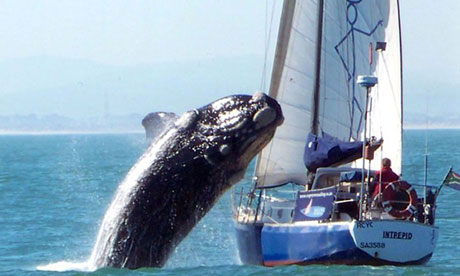
Whales "attacking" boats?


http://www.guardian.co.uk/science/2010/jul/21/whale-yacht


A presumed 'attack' by a right whale to a small sailing boat is having considerable media coverage in these summer days.

This, however, looks more like an accident made up by the press than a habitual or intentional behaviour. Some even suspect the image with the whale might be a smart PhotoShop product, i.e. an ex-post representation of a real event.

The cetacean species known to intentionally attack and occasionally sink small boats is the killer whale, possibly because boats do not respond to warning signals by the whales, who may be engaged in critical activities when a boat approaches too closely and suddenly. The animals may just try to react to an intrusion, behaving in the same way as several other large and wild mammals would (e.g. elephants, rhinos, hippos or apes). Killer whales do that because they, too, are wild and large mammals who care about their territory. Sinking boats is a rare event anyway, considering how often boats disturb killer and other whales - either deliberately or not - in virtually all oceans.

While I did not investigate the occurrence of right whale 'attacks' in the past, I remember a similar report involving a whale calf (either a right whale or a similar species) one or more years ago. As far as I can recall that was most likely an error by a playful calf, not an attempt to harm humans. In any case, such behaviours may have meanings other than deliberate attacks. If there was any aggressive intention, it remains to be seen why the whales reacted as they did (had they been harassed for too long?).

More generally speaking, I am often disturbed by the morbid interest shown by the media in depicting wild animals as dangerous beasts. In Italy, there is plenty of stupid TV programmes of that kind, totally uninformative as well as non-educational for children. Titles such as 'whale attacks boat' may work well in the media marketplace but they encourage irrational ancestral fears rather than inspire awe and appreciation for wonderful and disappearing animals. I've also seen media articles featuring 'attacks' by jellyfish, as if jellyfish (animals devoid of a central nervous system) could possibly have an intention whatsoever.

Giovanni Bearzi

07 July 2010

Sealife in the Gulf of Corinth


(click on photo to enlarge)

Tuna feeding at surface on schooling fish prey, and shearwaters trying to get their share.

Gulf of Corinth, Greece, July 6th, 2010

Photo: Silvia Bonizzoni / Tethys

---

For more information on the work done by Tethys in Greece, please see: Ionian Dolphin Project

29 April 2010

Cubomeduse assassine


Dal sito del Corriere apprendiamo che in Australia una bambina di dieci anni è stata "attaccata" dalla "terribile cubomedusa" ma si è miracolosamente salvata.

L'articolo specifica che la bimba stava nuotando nel fiume Calliope "quando d'improvviso è stata attaccata dalla velenosissima cubomedusa": di solito le vittime di "un'aggressione" cadono in uno stato di shock, subiscono un attacco cardiaco e infine affogano.

E' curioso che venga attribuita tanta intenzionalità a un organismo privo di sistema nervoso centrale. Dopo l'orca "assassina" che si diverte a massacrare foche e pinguini, ecco la terribile medusa che "attacca" e "aggredisce" i bambini.

Un po' come dire che le dozzine di persone che muoiono o rimangono ferite ogni anno per via di un tostapane difettoso sono state aggredite dall'infida macchinetta. I funghi allucinogeni finiti per sbaglio nella zuppa avevano di certo intenti criminosi. Per non parlare dell'airone in volo che viene risucchiato nel reattore di un jet e lo fa precipitare: trattasi di un terrorista kamikaze, ancorché pennuto.

Le meduse naturalmente sono ignare di tutta questa crudeltà (così come i funghi e i tostapane). Il modo di vivere di questi invertebrati consiste nel fluttuare un po' a caso nel mare, trasportati dalle correnti e dal loro debole pulsare in attesa che qualche pesce finisca fra i loro tentacoli. Mai si sognerebbero di attaccare, ferire o tantomeno uccidere deliberatamente i bambini. In effetti il sistema nervoso elementare impedisce loro di formulare un qualunque pensiero, figuriamoci un intento aggressivo.

Ma forse a certo giornalismo nostrano piace coltivare nella gente il terrore sacro della natura selvaggia, suggerendo crudeltà e ferocia laddove covano al massimo degli istinti difensivi o un normale desiderio di nutrirsi.

Conosco bambini che sono terrorizzati da animali di qualunque tipo, e mamme che li incoraggiano in questo loro modo deviato di percepire il mondo naturale. Quelle mamme si sentiranno confortate a leggere sui giornali che anche le meduse sono in fondo esseri perversi e diabolici, non diversamente da tutti quegli insetti, serpenti, uccelli e altri animali il cui unico scopo è quello di terrorizzare gli umani e renderne grama l'esistenza, attaccando e aggredendo le persone non appena se ne presenta l'opportunità.

Se mai doveste essere morsi da una formica, dovete assolutamente trucidare l'orrendo imenottero che ha sfogato su di voi la propria natura satanica. Magari staccatele le zampe una ad una per punirla del premeditato misfatto. Per la medusa mediterranea che vi pizzica il piede, invece, si può scegliere fra la sedia elettrica e l'iniezione letale.

Giovanni Bearzi

28 April 2010

Il mare che non mi piace


Devo fare due mesi di riabilitazione presso un centro di fisioterapia a Rimini per via di un'operazione al ginocchio. Quindi per un po' mi sono stabilito a qualche chilometro da Rimini, vicino al mare.

Chiamarlo mare però è un bel complimento perché non vedo una conchiglia. La spiaggia non è di sabbia ma di terra di fiume che quando piove pare un po' fango. Sulla battigia passano incessantemente grossi camion carichi di questa pseudo-sabbia di riporto. Le tracce dei pneumatici verranno certo cancellate prima della stagione turistica. Non si trova una forma di vita animale o vegetale neanche a pagarla oro.

Sopravvive qualche gabbiano. Sono uccelli opportunisti che non disdegnano le discariche e in questa civiltà se la cavano ancora benino.

La linea costiera è deturpata per decine di chilometri da una successione di alberghi costruiti sull'ex-spiaggia. Vedo dappertutto frangiflutti artificiali: sbarramenti di grosse pietre ammassate che non sono bastate a preservare la sabbia vera.

Non sento il rumore delle onde ma solo quello delle auto, talora sopraffatto dall'ultimo tormentone di Lady Gaga proveniente da un beach bar con palme di plastica.

Guardo questo mare e mi vengono in mente alcune plausibili imputazioni.

Ecocidio della fascia costiera.

Distruzione della cultura marinara (ma ci sono ristoranti con finte reti appese, granchi e stelle marine secche: offrono pesce fresco forse allevato nelle Filippine o in Grecia).

Circonvenzione di turista incapace. Quello che vede il depliant in un'agenzia di Dortmund e subito compra il pacchetto vacanza sole-mare "a contatto con la natura". Del resto ci sono ben due delfinari nel giro di qualche chilometro, non lontano dal centro commerciale e dall'aquafun.

Dopo aver visto i delfini, tutti al bowling.

Giovanni Bearzi

11 April 2010

Amazing nature, amazing photo


This incredible image, taken by wildlife photographer Tommy Hatwell, portrays a killer whale (Orcinus orca) attacking a false killer whale (Pseudorca crassidens) and her calf in New Zealand waters.

"I have never known anything like this before to be captured on film. This is Mother Nature at its most brutal, a rare occurrence that it was seen by humans, and even more rare that it was captured on camera”, commented an excited Hatwell.

For more information:
http://www.telegraph.co.uk/earth/earthnews/7532131/Killer-whale-attacks-dolphin-in-front-of-tourists.html

13 March 2010

Aiuta la Fondazione Cetacea


Riceviamo e diffondiamo l'appello dell'amico Marco Affronte:

Fondazione Cetacea non deve morire

Firma la petizione:

http://www.petizionionline.it/petizione/fondazione-cetacea-non-deve-morire/888

09 February 2010

Amazing photos of beluga whales


Remarkable and curious underwater photos of beluga whales (Delphinapterus leucas) as ‘stars’, have been taken in the northern Russia White Sea.

Capturing these images was not so simple. Before each dive the photographers had to create holes in the three-foot-deep ice using a hand saw, to have access to a cold, cold sea.

While divers were enjoying the company of beluga whale, someone else had to stay above the ice — and wait in the wind at temperatures of up to -30°C (!) — to make sure the ice hole didn’t freeze over and trap the underwater group. BRRR!

SB

To see the photos:
http://www.dailymail.co.uk/news/worldnews/article-1244149/What-doing-Amazing-underwater-photos-beluga-whales-meeting-divers-Arctic-rehabilitation-farm.html

---
Photo: a beluga's close approach, by Franco Banfi

For more information:
http://www.telegraph.co.uk/earth/wildlife/7019127/Inquisitive-beluga-whales-take-an-interest-in-scuba-divers.html

12 December 2009

Mega-flood filled the Mediterranean in less than two years

Around 5.6 million years ago tectonic movements and a drop in sea level cut the Mediterranean out of the worlds' oceans. For 300 million years our sea dried up almost everywhere, in what is called the Messinian salinity crisis.

The water then returned: what started like a trickle, later became an event of biblical proportions which filled the Mediterranean in under two years. At peak times, the sea level rose by up to ten meters a day - the largest known flood in Earth's history.

Daniel Garcia-Castellanos of the Jaume Almera Institute of Earth Sciences in Barcelona, Spain, and colleagues, who published their work on Nature, estimate the peak flow to have been around 1000 times higher than the present Amazon river at its highest rate.

Eleonora de Sabata
---
For more information:
- Catastrophic flood of the Mediterranean after the Messinian salinity crisis
- Castellano's page

10 December 2009

Tethys Seaway


Click on figure to enlarge.

From:
STEEMAN, M.E., M.B. HEBSGAARD, R.E. FORDYCE, S.Y.W. HO, D.L. RABOSKY, R. NIELSEN, C. RAHBEK, H. GLENNER, M.V. SORENSEN, E. WILLERSLEV. 2009. Radiation of extant cetaceans driven by restructuring of the oceans. Systematic Biology 58(6):573-585.

20 November 2009